This flourless and sugar-free keto bread is the perfect alternative for those on a low-carb diet. The bread is made from eggs, egg whites, and gelatin—it contains no yeast or sugar. Erythritol adds a little sweetness, but does not raise blood sugar. The bread stays soft if you follow the beating and cooling times; slice by slice, your sandwich or snack becomes a guilt-free pleasure.
Is it possible to have soft and tender white bread on the keto diet? Yes. In this article, I will tell you how to make an analogue of white bread from flour, eggs, and albumin. The dough does not contain any flour, sugar, or yeast.
If you miss the delicious white bread sandwiches from your traditional diet, keto white bread is an excellent substitute. It is delicious with homemade sausage, butter and cheese, red fish, and jams. Read the recipe, view the step-by-step photos, and enjoy cooking.
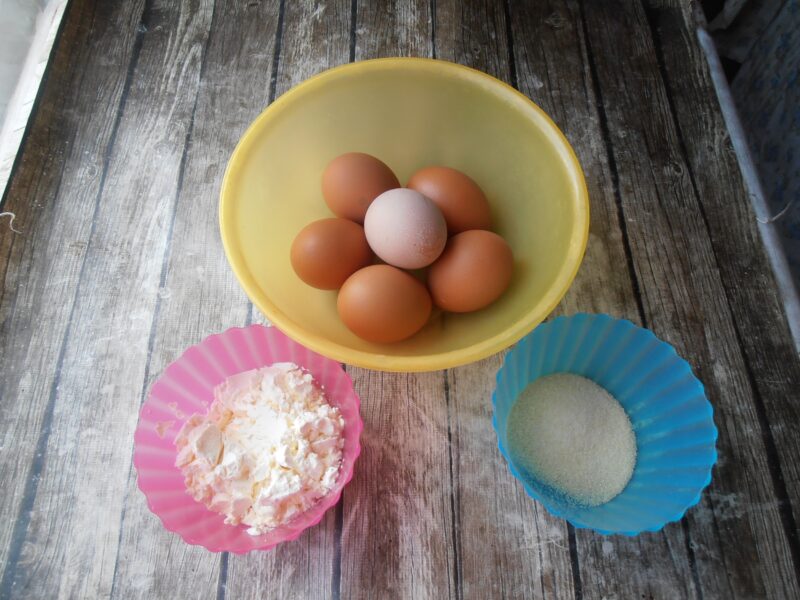
Equipment: planetary mixer or regular high-powered mixer, silicone or non-stick bread pan.
What ingredients do we need for keto white bread without flour
For this keto white bread you only need a few simple ingredients that are easy to find: whole eggs, egg white powder, gelatin, salt and erythritol. The eggs and albumin build structure and give volume, while the gelatin helps the bread hold its shape after baking. Erythritol provides a light sweetness without affecting blood sugar levels, so the loaf remains suitable for keto and low carb diets. There is no wheat flour, no yeast and no added sugar, which makes this bread naturally gluten free and friendly for people who avoid carbs. With such a short ingredient list, the quality of each product matters, so try to use fresh eggs and a neutral, unflavored gelatin.
How does egg white powder help create a fluffy keto loaf
Egg white powder, also called albumin, is a concentrated source of protein that behaves very well when whipped with water or fresh egg whites. When you sift it into the egg whites and beat them, the proteins trap air and form a stable foam that gives the bread its height and airy crumb. Unlike flours that add starch and carbs, albumin increases the protein content without raising the carbohydrate count, which is ideal for keto baking. A well whipped meringue is essential for this recipe because there is no yeast or chemical leavening to lift the batter. If the foam is dense and glossy, the loaf will rise in the oven and keep a nice shape after cooling.
Why do we add gelatin to flourless keto bread
Gelatin acts as a binding and stabilizing agent in this bread, compensating for the lack of gluten and starch from traditional flour. When heated in the oven, gelatin sets and helps the loaf keep its structure instead of collapsing as the meringue cools. It also contributes to a slightly springy texture that makes the slices feel more like real bread, not just baked egg whites. Using instant, unflavored gelatin is important so it dissolves easily and does not add any taste to the recipe. Even though we only use one tablespoon, the effect is noticeable in the final result: the bread slices cleanly, holds toppings well and does not crumble easily when you cut it.
How to whip egg whites correctly for keto bread
Whipping the egg whites correctly is the most important technical step in this recipe. Start with a clean, dry bowl and whisk, because any trace of fat will prevent the formation of stiff peaks. Begin mixing at medium speed until the whites become foamy, then gradually add the albumin and increase the speed to high. Beat until the meringue is thick, glossy and forms peaks that stay in place when you lift the whisk or gently turn the bowl. It usually takes around four minutes with a stand mixer, but the time can vary. Be careful not to overbeat, as dry, grainy egg whites are harder to work with and can lose volume when you add the remaining ingredients.
How to add yolks, sweetener and gelatin without deflating the batter
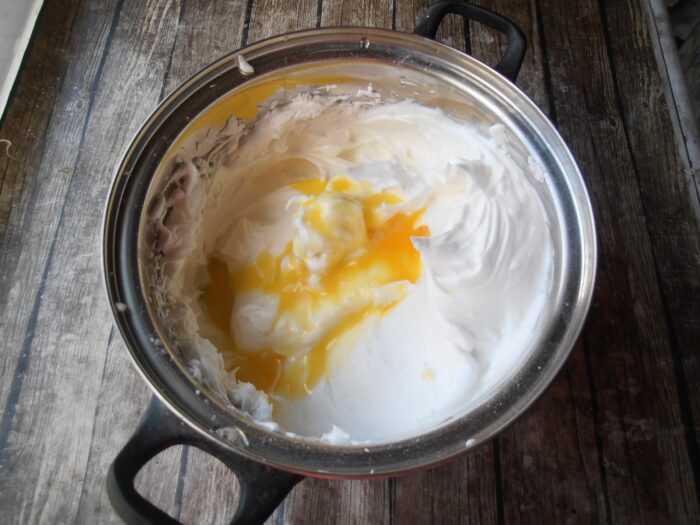
After whipping the egg whites with albumin, you need to incorporate the rest of the ingredients gently so you keep as much air as possible in the batter. First add the salt, erythritol and gelatin while mixing on low to medium speed, just until they are evenly distributed. Then pour the egg yolks in slowly with the mixer on medium, or fold them in by hand using a spatula. The goal is to combine everything without stirring vigorously or knocking out the air bubbles trapped in the foam. If the batter remains light and fluffy, the bread will rise well in the oven and the crumb will be soft and airy. A heavy, liquid batter usually means the foam was deflated, and the loaf may turn out dense and flat.
What baking pan and temperature work best
For this recipe a standard loaf pan works very well, but you can also use a smaller pan for a taller loaf or divide the batter into mini pans for individual breads. Greasing the pan with oil helps release the bread after baking and also contributes to a lightly browned crust. The recommended oven temperature, around 165 C or 329 F, is slightly lower than for regular yeast bread but ideal for a delicate egg based batter. Baking at a moderate temperature allows the loaf to rise slowly and cook evenly without burning the top or leaving the center raw. Placing the pan on the middle rack and using a preheated oven are important details for a consistent result.
How to cool and slice keto white bread correctly
Cooling is just as important as baking when it comes to the final texture of your keto bread. Once you take the pan out of the oven, place it on a wire rack and let the bread cool completely before removing it. Cutting into the loaf while it is still warm can compress the crumb and make it seem wet or underbaked, even if it is cooked through. When the bread is completely cool, run a knife around the edges, gently lift it out of the pan and slice it with a sharp serrated knife. Thin, even slices are easier to toast and use for sandwiches. If you plan to freeze part of the loaf, slice it first and spread the slices slightly so they do not stick together.
Ingredients
- 6 eggs
- 1/4 cup egg white powder albumin
- 1 tbsp gelatin
- 1/2 tsp salt
- 1 tbsp erythritol powder
Instructions
- At the beginning of bread preparation, preheat the oven to
 165 °C (329 °F).
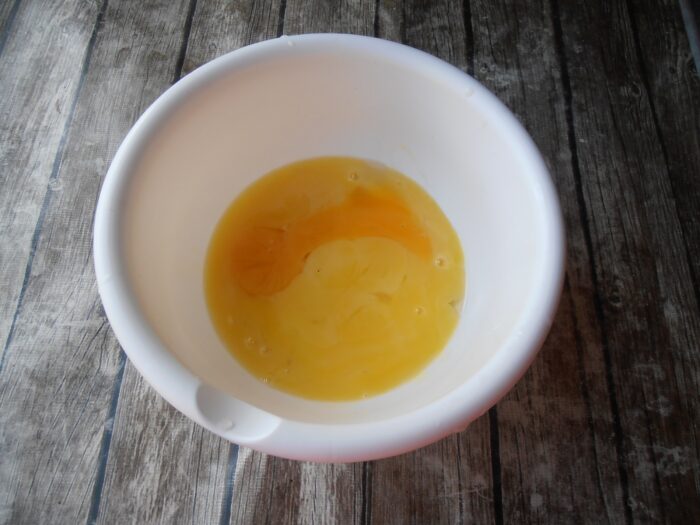
 - Separate the eggs from the whites.

- Separate the eggs from the yolks.
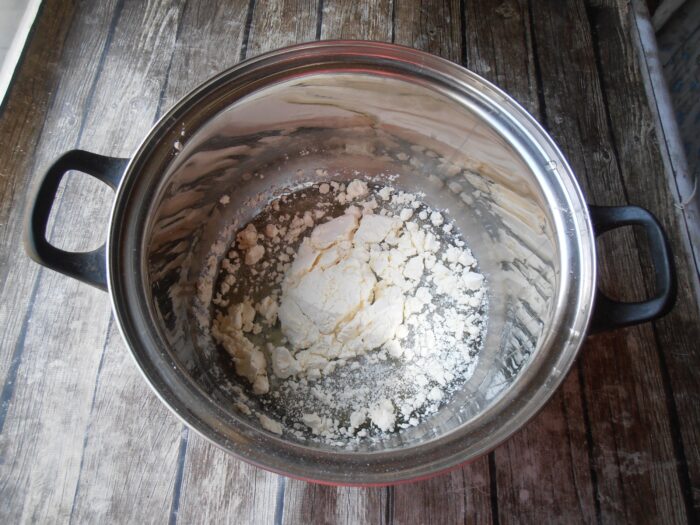
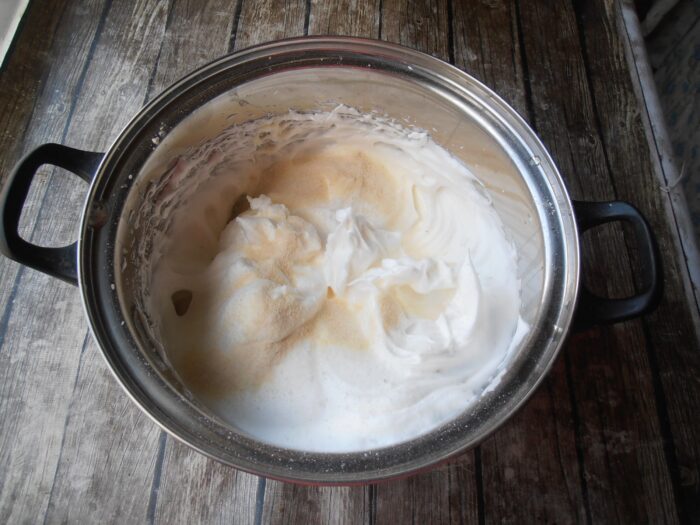
- Sift albumin into the egg whites. Beat until stiff peaks form. The peaks will not come off when you turn the mixing bowl upside down. It usually takes four minutes for the egg whites to reach the desired peaks.
- Add salt, erythritol powder, and instant gelatin to the egg whites. Beat for another minute.
- Add the egg yolks while beating at medium speed.
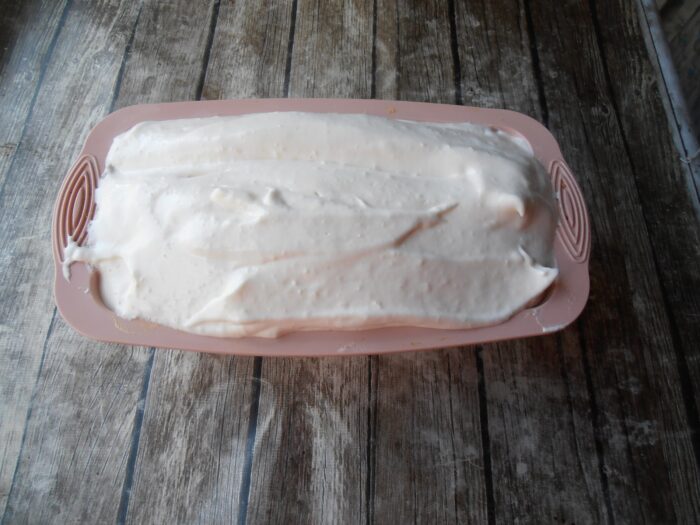
- Grease the baking pan with oil. Pour in the batter. Place the pan in the oven for half an hour. Then turn off the oven and leave the bread in the oven for another half hour.
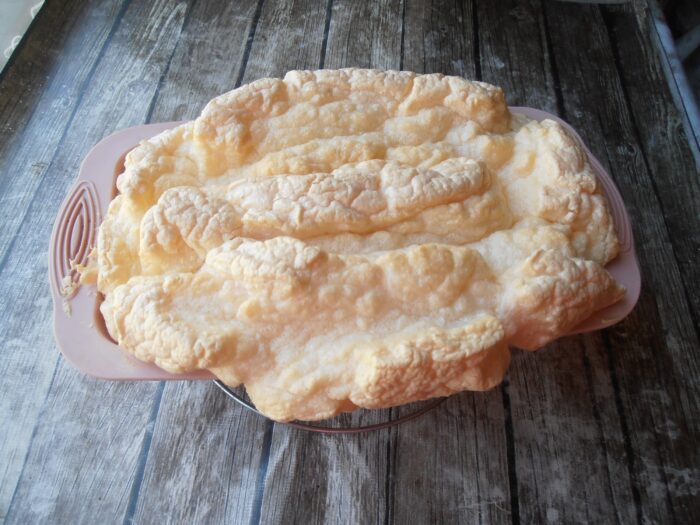
- Remove the bread from the oven and let it cool completely in the pan. Cut into slices only after it has cooled.


Notes
- Make sure the mixing bowl and whisk are completely clean and dry before whipping the egg whites, any fat or moisture will prevent stiff peaks from forming.
- Do not overbeat the meringue after adding the yolks, mix just until combined so you do not deflate the batter and lose volume.
- Bake the bread on the middle rack and avoid opening the oven door during the first 30 minutes to keep the temperature stable.
- Leaving the bread in the turned off oven for another 30 minutes helps it set slowly and reduces the risk of collapsing when you take it out.
- Always let the loaf cool completely in the pan before slicing, otherwise the interior can feel wet and the slices may break.


