 Alina
Alina
These homemade cinnamon rolls are soft, fluffy and filled with a generous swirl of buttery cinnamon sugar. The simple yeast dough is easy to work with, and the rich cream cheese frosting melts into the warm rolls, making every bite irresistible. Perfect for a cozy weekend breakfast, brunch with family or a comforting dessert any time of year.
Cinnamon rolls, known worldwide as cinnamon rolls, are one of those desserts that you can prepare for both weekend breakfasts and festive meals. The soft yeast dough, the fragrant cinnamon filling with sugar, and the delicate cream cheese frosting transform a simple dessert into a real treat for the whole family.
What ingredients do we need for fluffy cinnamon rolls
For truly fluffy cinnamon rolls you need a simple but well‑balanced list of ingredients. The dough starts with all‑purpose flour, sugar, dry yeast, milk, egg, soft butter and a pinch of salt, which together create a soft and elastic base that can trap air as it rises. For the filling, you only need soft butter, ground cinnamon and sugar to make a fragrant, caramel‑like swirl. The cream cheese frosting uses soft butter, cream cheese and powdered sugar to give a smooth, rich topping that melts into the warm rolls. When you choose good quality butter and fresh yeast, even this basic list of ingredients can give you bakery‑style results at home.
How to activate yeast correctly for cinnamon rolls
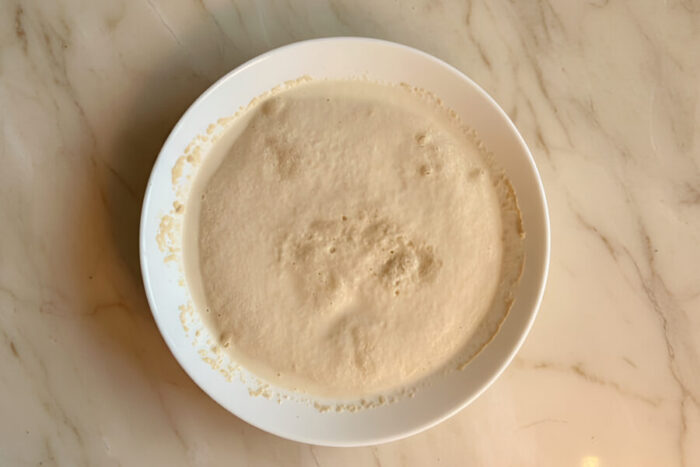
Activating the yeast properly is the first important step toward soft cinnamon rolls. Start by gently warming the milk so it is lukewarm to the touch, not hot, then mix it with a spoonful of sugar and the dry yeast. Sugar feeds the yeast and helps it wake up faster. Cover the bowl and let it sit for about fifteen minutes, until the surface looks foamy and smells pleasantly yeasty. If nothing happens and the mixture stays flat, the yeast is probably old or the milk was too hot, so it is better to start again. Taking a few extra minutes to check the yeast at this stage is much easier than discovering later that the dough does not rise in the bowl or in the pan.
How to knead and proof the dough for soft rolls
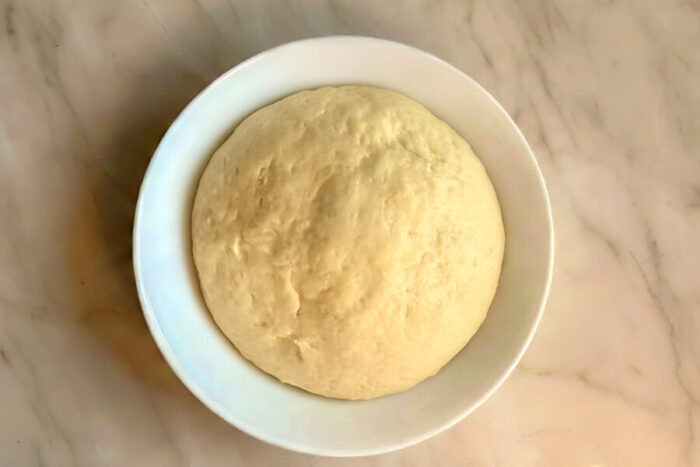
Once the wet ingredients are mixed with the flour, the dough needs a few minutes of kneading to develop enough gluten for a soft but strong structure. You can knead by hand or with a mixer, but aim for a smooth and slightly elastic dough that still feels a bit tacky rather than dry. Place it in a lightly greased bowl, cover and let it rise in a warm, draft‑free spot until doubled in size. This first rise usually takes about an hour, but can be a little longer if your kitchen is cool. Watching the volume of the dough is more reliable than watching the clock, and letting it fully double gives you lighter rolls later. If the dough does not rise, something went wrong with the yeast or the temperature.
How to roll out the dough and spread the cinnamon filling
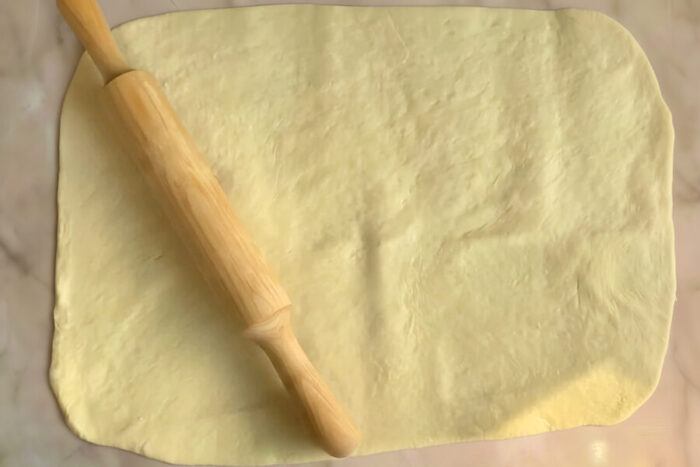
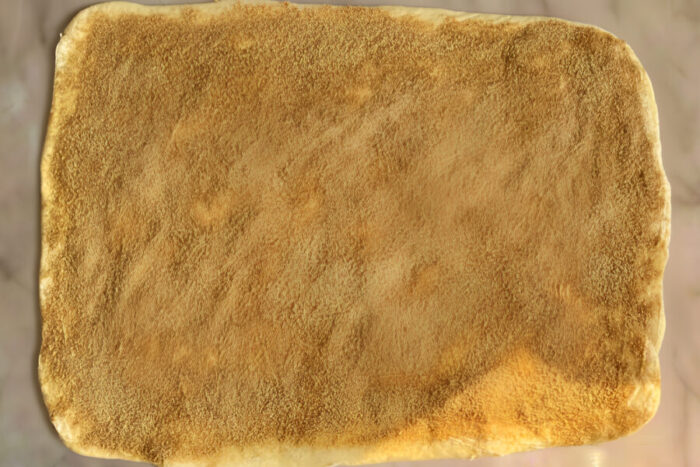
After the first rise, the dough should feel airy and easy to handle. Turn it out onto a lightly floured surface and gently press out the air without squeezing too hard. Use a rolling pin to shape it into a large rectangle with an even thickness so the rolls bake uniformly. Spread soft butter over the surface, going close to the edges, then sprinkle the cinnamon sugar mixture evenly on top. It is important to reach the corners so every roll gets enough filling in each bite. If you want an even gooier center, you can slightly increase the amount of cinnamon sugar, but avoid adding so much that it leaks out during baking. A well distributed filling ensures a nice swirl and even flavor.
How to cut and arrange the cinnamon rolls in the pan
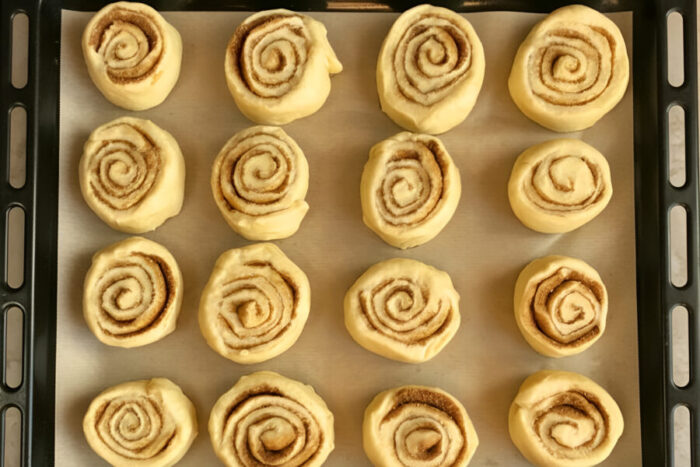
When you roll up the dough, start from the long side and roll it tightly but without squeezing out the filling. You can use a sharp knife or unflavored dental floss to cut the log into equal pieces, which helps the rolls bake at the same speed. Arrange the slices in a baking pan lined with parchment paper, leaving some space between them for the second rise. If you place them too close together, they may join into one large piece, but if they are too far apart, they can dry out on the edges. During this second rise, the rolls should become puffy and expand to almost touch each other. This is a sign they are ready to bake, and it helps them support each other so the centers stay soft and gooey.
Baking time and temperature for perfect cinnamon rolls
The baking step can make the difference between soft cinnamon rolls and dry ones. Preheat the oven to 180 degrees Celsius so it is hot and ready when the pan goes in. Bake the rolls for about twenty to twenty five minutes, until they are puffed and lightly golden on top. If you bake them too long, the centers can dry out, but if you pull them too early, the dough may remain raw in the middle. You can gently lift one roll from the center to check that the layers look set and not doughy. Each oven is a bit different, so the first time you make the recipe it is worth watching closely in the last minutes and adjusting the exact baking time for your appliance.
When and how to add the cream cheese frosting
Timing is important when you add the cream cheese frosting, because it changes the texture of the finished rolls. If you spread the frosting while the rolls are still hot from the oven, it will melt into the swirls and soak into the surface, making them extra soft and gooey. If you prefer a thicker layer of frosting that sits more on top, let the rolls cool for ten to fifteen minutes first, then add the cream. The frosting itself should be smooth, creamy and easy to spread, without lumps of butter or cream cheese. You can taste it and adjust the sweetness by adding a little more powdered sugar if you like. Either way, adding the frosting while the rolls are at least warm gives the best texture and flavor.
Common mistakes to avoid when making cinnamon rolls
Many problems with cinnamon rolls come from a few predictable mistakes. Using milk that is too hot can kill the yeast and prevent the dough from rising, while adding too much flour can make the rolls dense and dry. Skipping the second rise or cutting it too short often leads to rolls that look nice on top but are heavy inside. Overbaking is another frequent issue, especially if you leave the pan in the oven much longer than the recommended time. It is better to check the rolls early rather than late and adjust next time if needed. Being aware of these common mistakes helps you get better results even on your first try.
Ingredients
For the dough:
- 2 ¼ tsp dry yeast
- 1/2 cup sugar
- 1 egg
- 1 cup+1 tbsp milk
- 4 ¾ cups flour
- 5 ½ tbsp soft butter
- salt
For the filling:
- 4 tbsp soft butter
- 3 tbsp cinnamon
- 1/2 cup sugar
For the frosting:
- 7 tbsp soft butter
- 2/3 cup cream cheese
- 1/2 cup powdered sugar
Instructions
- Mix the milk with one tablespoon of the measured sugar and the dry yeast. Cover and leave to activate for 15 minutes.

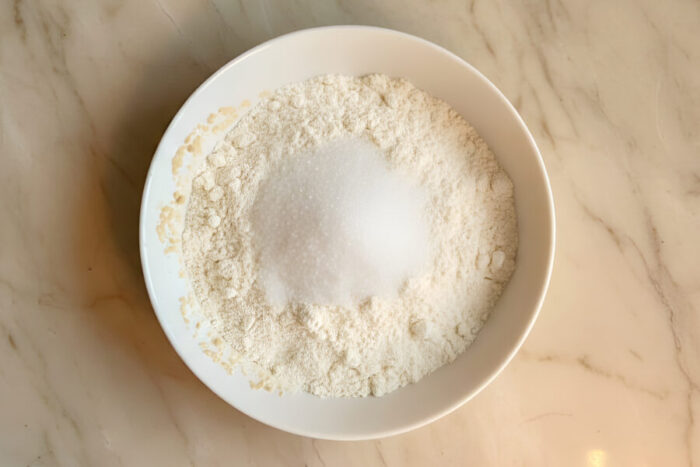
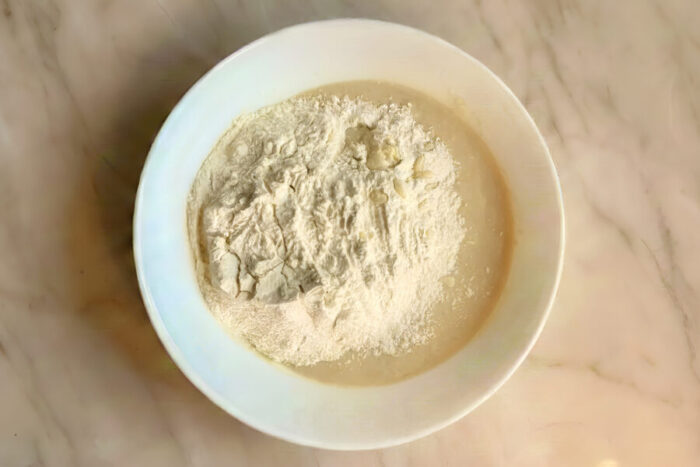
- In a large bowl, mix half of the flour with the remaining sugar and a pinch of salt.
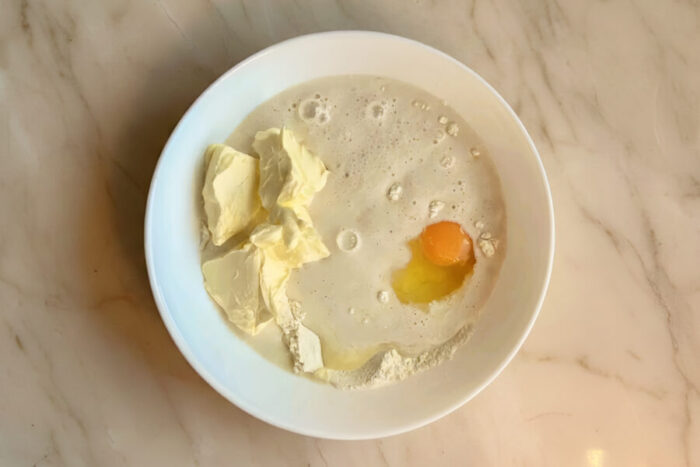
- Add the yeast and milk mixture, the egg and the soft butter to the flour in the bowl.
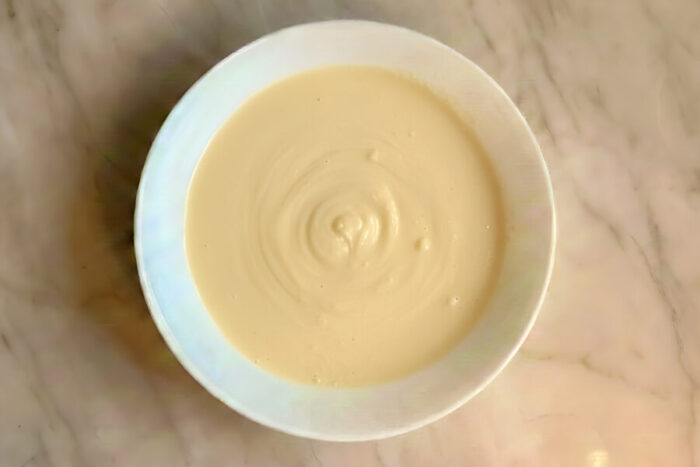
- Mix everything together with a whisk until combined.
- Add the remaining half of the flour.
- Knead the dough, then cover it with plastic wrap or a clean kitchen towel and let it rise for 1 hour in a warm place.
- For the filling, prepare the soft butter and mix the cinnamon with the sugar. Once the dough has doubled in size, roll it out with a rolling pin into a rectangle.
- Spread the dough with the butter, then sprinkle evenly with the cinnamon‑sugar mixture.
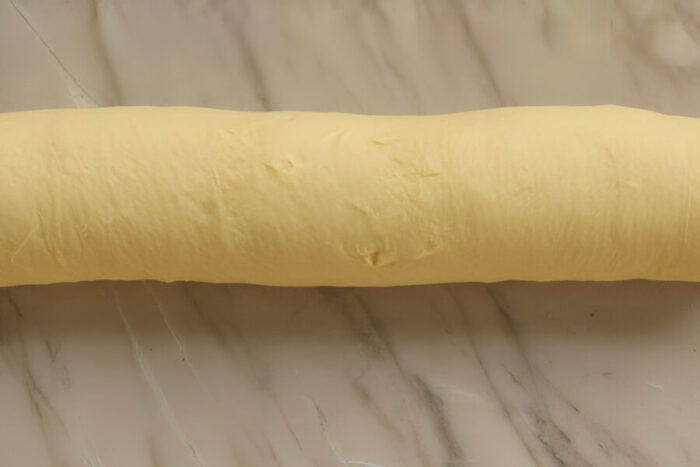
- Roll the dough up into a log and cut it into equal‑sized pieces.
- Line a baking tray with parchment paper and arrange the rolls in the tray, leaving some space between them so they can rise further. Leave them at room temperature for 20 minutes, then bake at
 350 °F for 20–25 minutes.
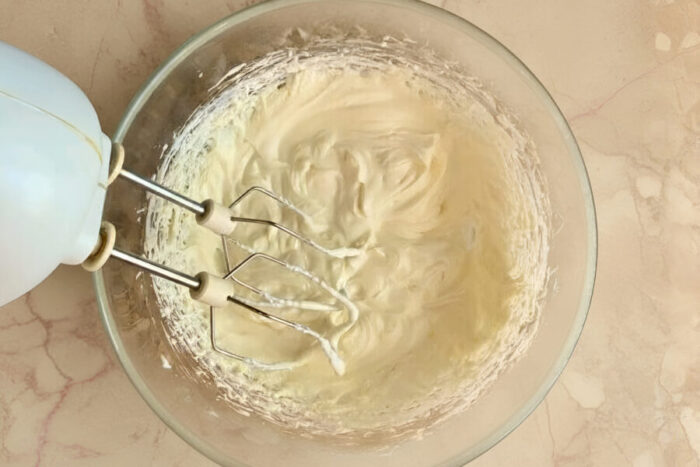
- For the frosting, beat the soft butter, cream cheese and powdered sugar with a mixer until smooth and creamy.
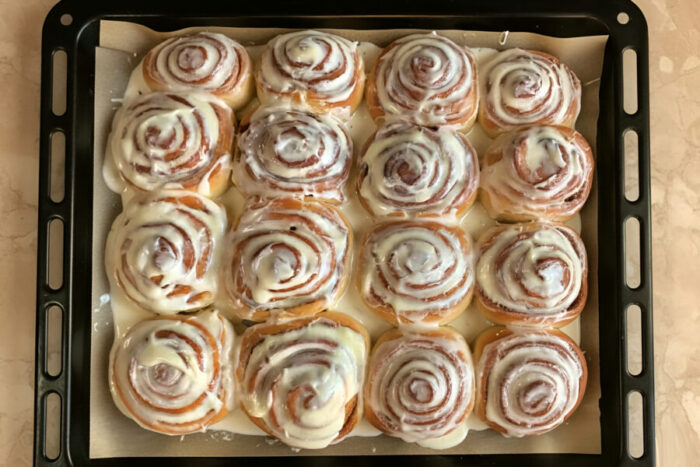
- Remove the cinnamon rolls from the oven and spread them with the prepared frosting while they are still warm.

Notes
- Make sure the milk is just lukewarm, not hot, so you do not kill the yeast and the rolls rise properly.
- The dough should feel soft and slightly tacky; if you add too much flour, the cinnamon rolls will bake up dense instead of fluffy.
- Let the rolls rise in the pan until visibly puffy before baking; this second rise is key for a light, airy texture.
- Spread the cream cheese frosting on while the rolls are still warm so it melts into the swirls without running off completely.
- If you want to bake in the morning, shape the rolls, chill them overnight in the fridge, then bring them back to room temperature and let them rise before baking.
Nutrition
Nutrition information is automatically calculated, so should only be used as an approximation.
